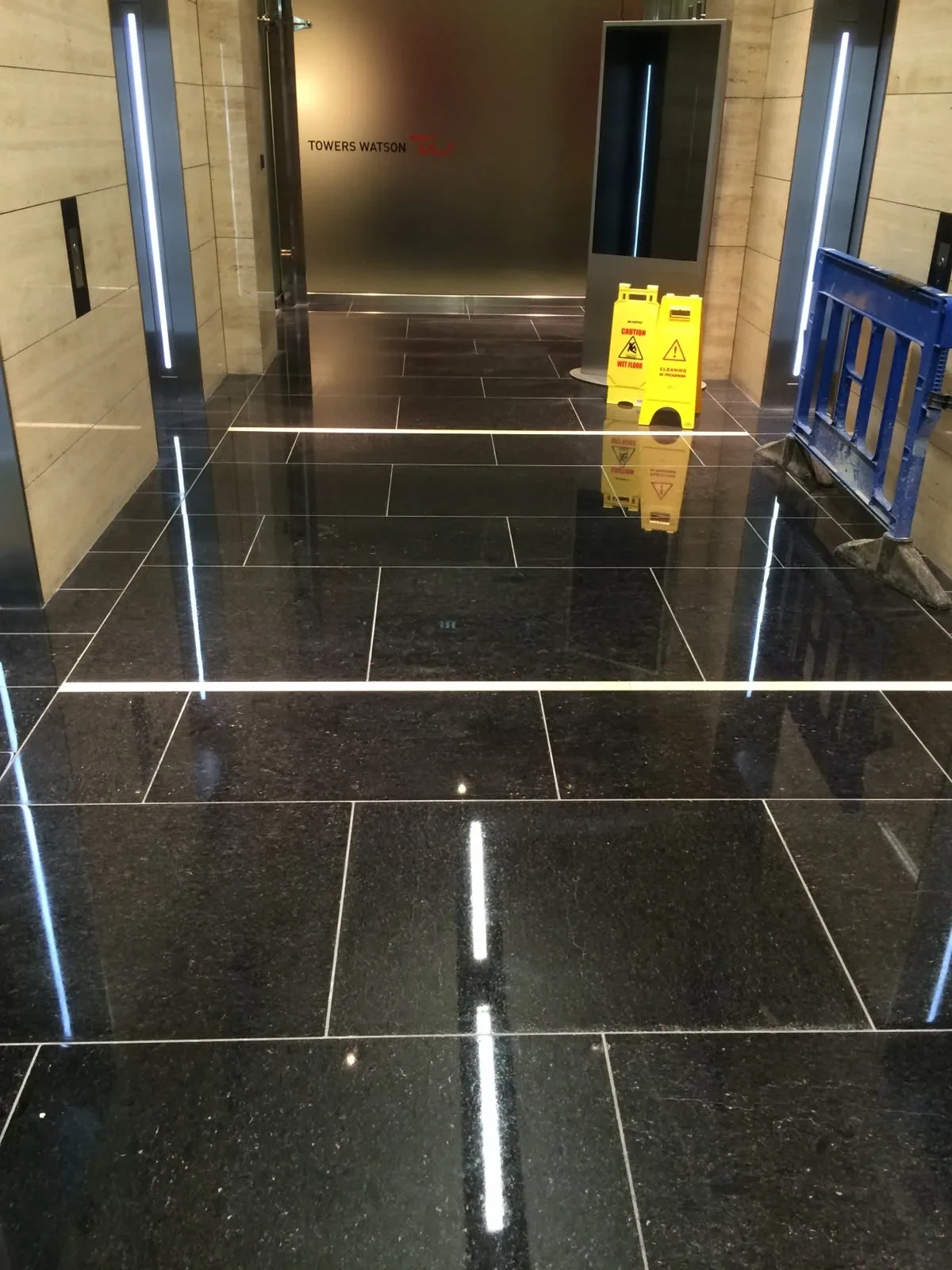
Granite restoration
Re-polish granite floors and worktops, remove haze and fill chips.
Learn more about granite restorationFully insured · Free quotes · London & M25
Service
King of Stone restores marble floors, stairs, bathrooms and worktops across London and the M25, removing etching, scratches and dullness by diamond honing and polishing — no waxes or coatings. Send photos through our quote form or on WhatsApp, or call +44 7385 775121, for a free fixed quote.
Common problems we fix
Marble is soft, calcium-based and reacts to acids — lemon juice, wine, cleaning sprays and even some shampoos leave dull etch marks that no amount of mopping will lift. We restore marble floors, stairs, bathrooms and worktops by mechanically resurfacing the stone, then refining it to the finish you want: soft honed, satin or full mirror polish.
Most marble floors we see in London are not damaged — they are simply worn. Foot traffic grinds fine grit across the surface, which acts like sandpaper. Polishing compounds or crystallisation alone only mask this; true restoration removes a microscopic layer of stone to reveal a fresh surface underneath.
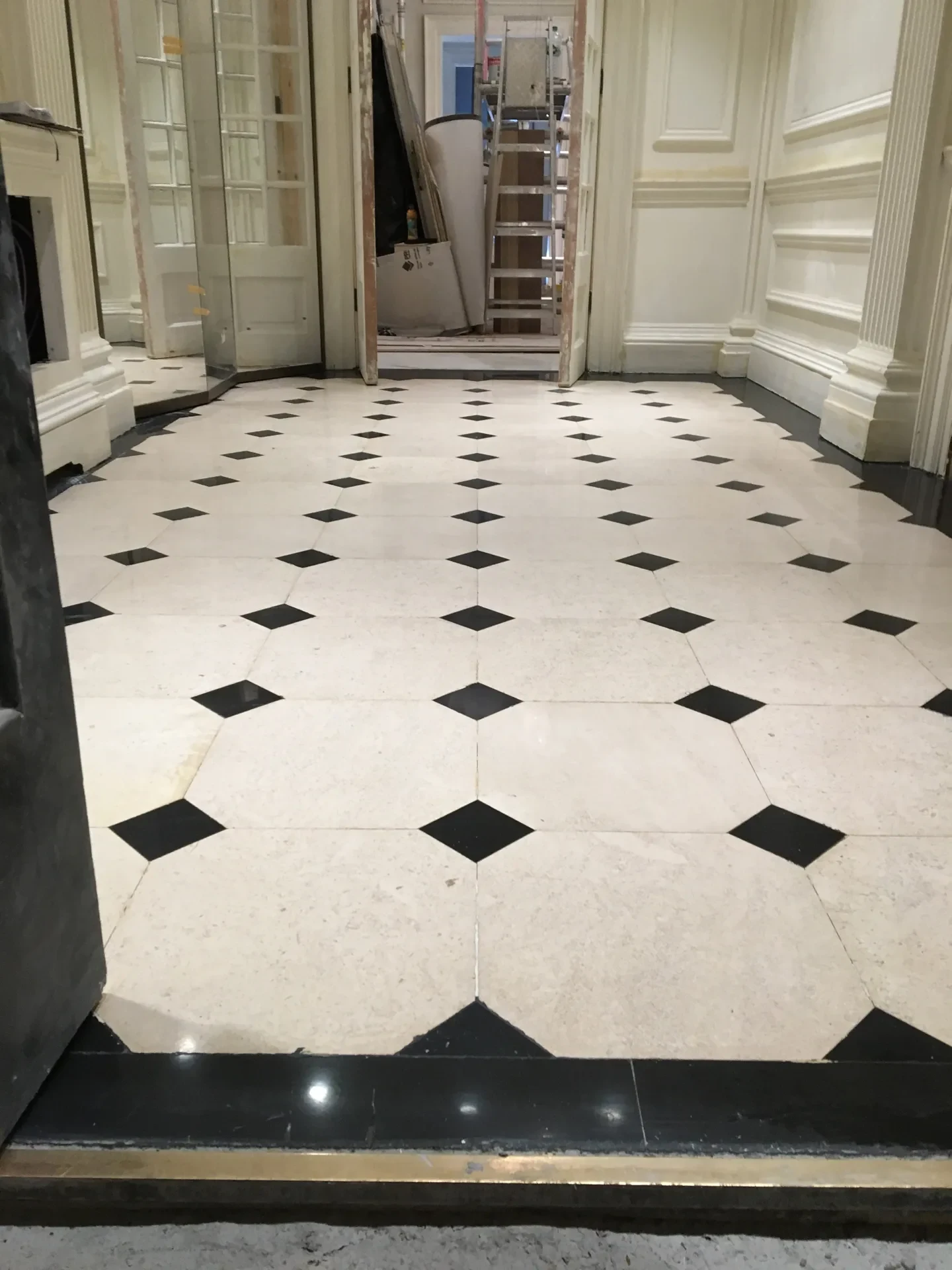
We work on Carrara, Calacatta, Statuario, Crema Marfil, Emperador, Nero Marquina and most other marbles, including Victorian and Edwardian encaustic-and-marble hallways. For period properties we can match a historic soft sheen rather than a modern high gloss.
Restoration is usually completed in one to three days for a typical hallway, kitchen or bathroom. Rooms can be walked on once the floor is dry, and the sealer is fully cured within 24 hours.
Every job is quoted at a fixed price after a free assessment. Projects under 100 m² are priced per project; projects over 100 m² are priced per m². Send photos for a fast indicative price.
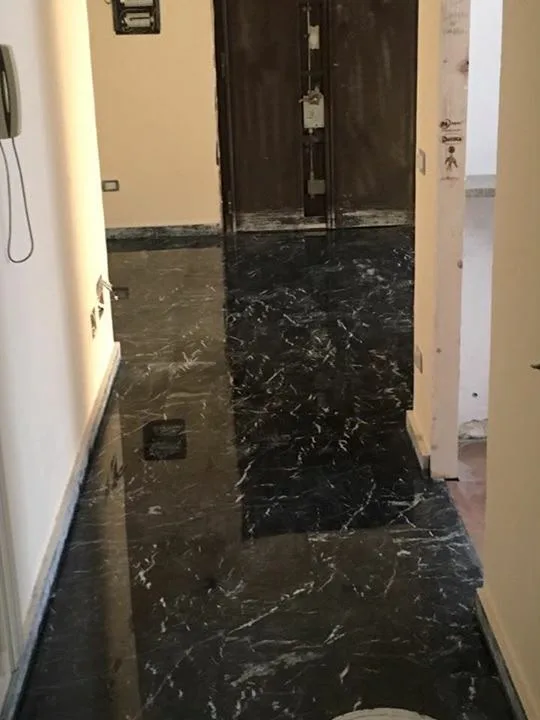
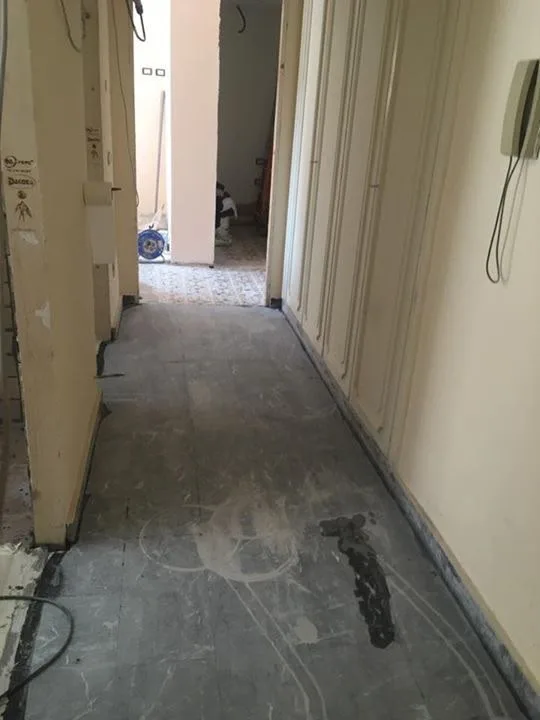
Results/ 02
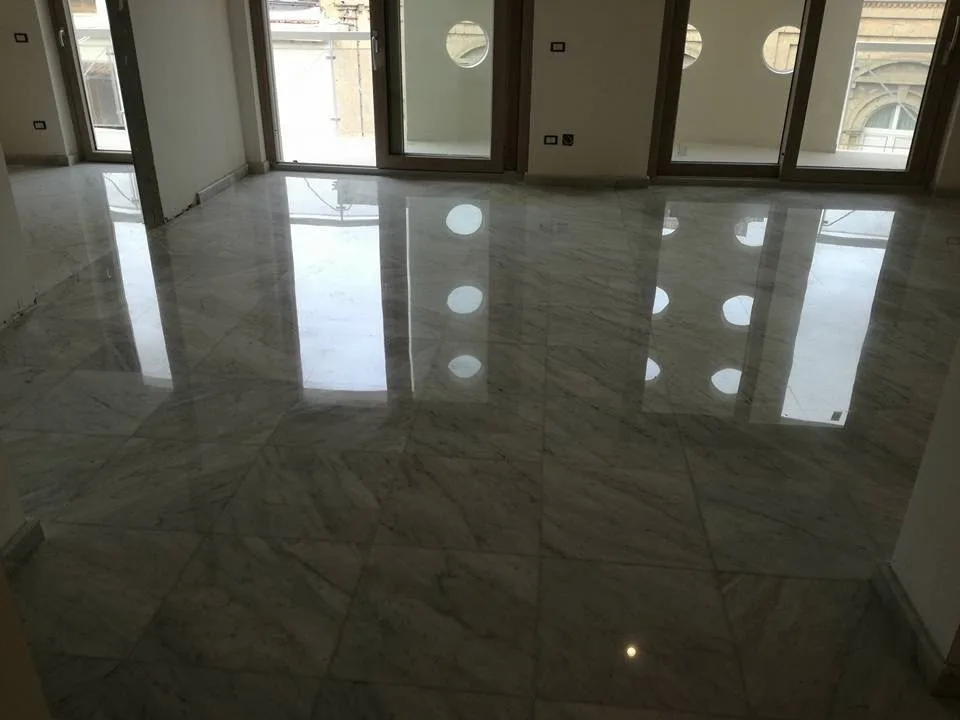
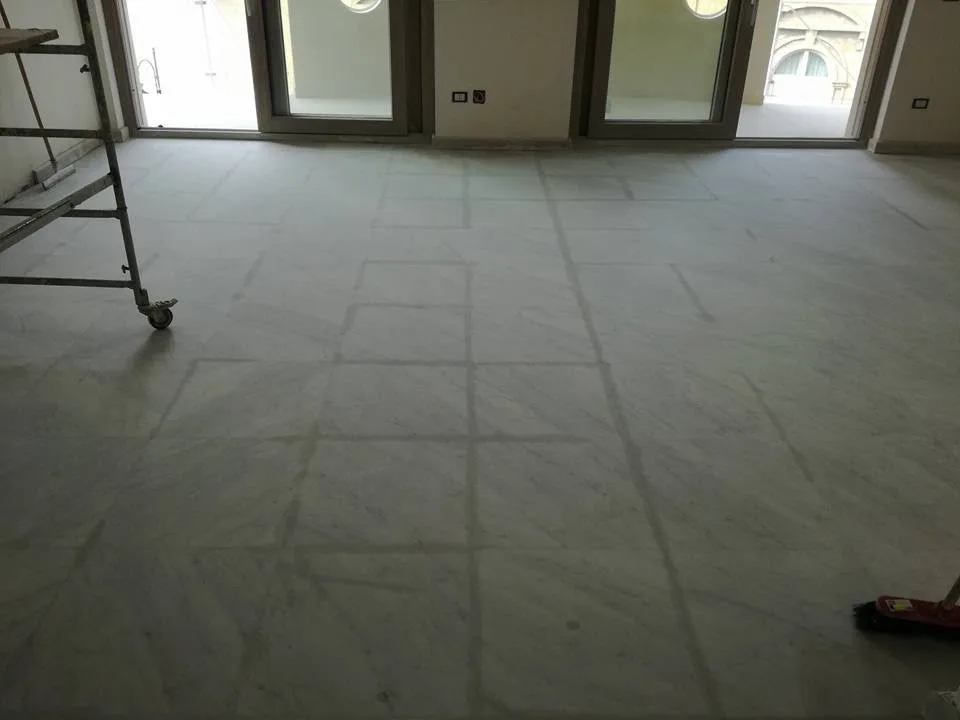
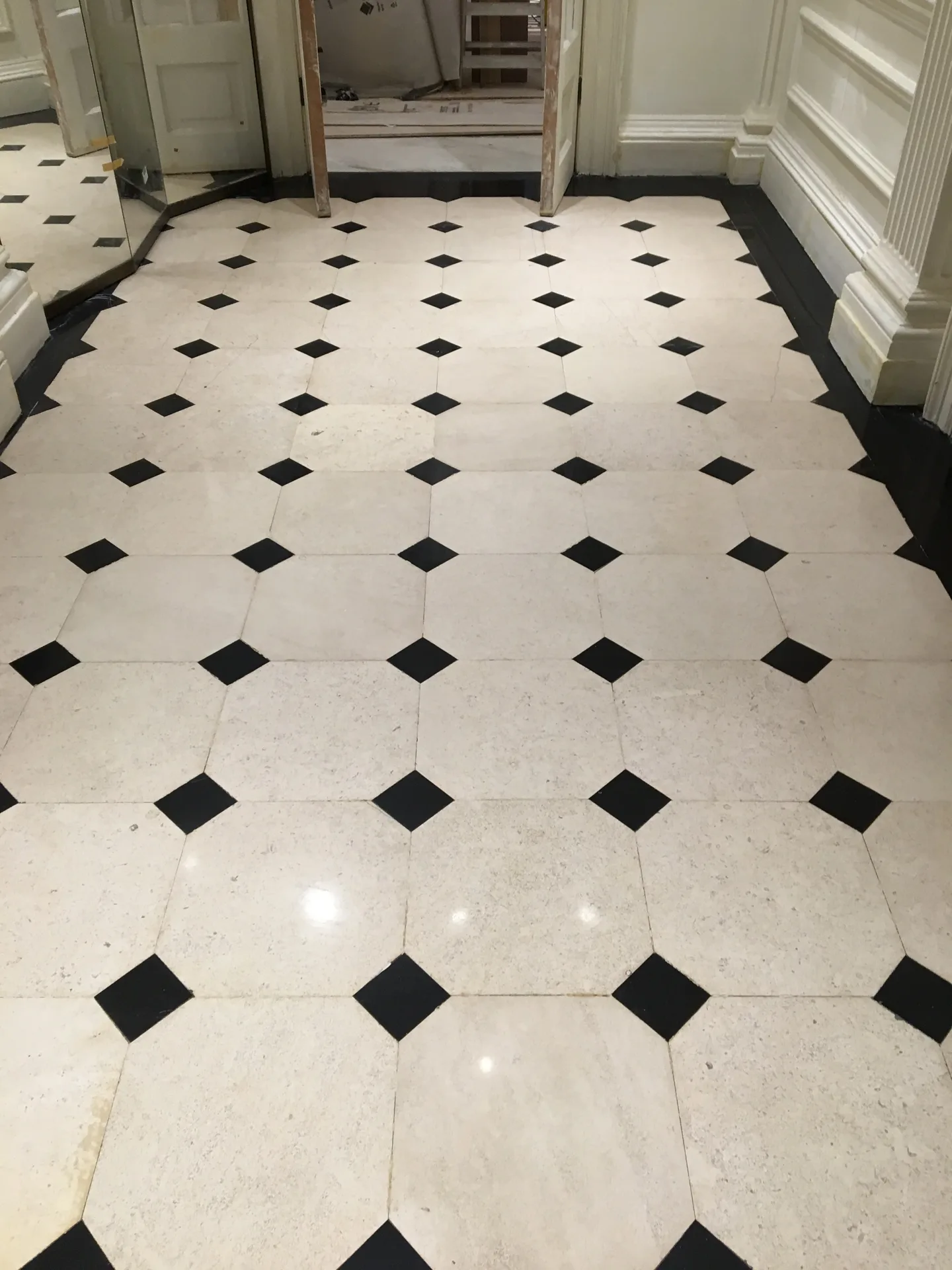
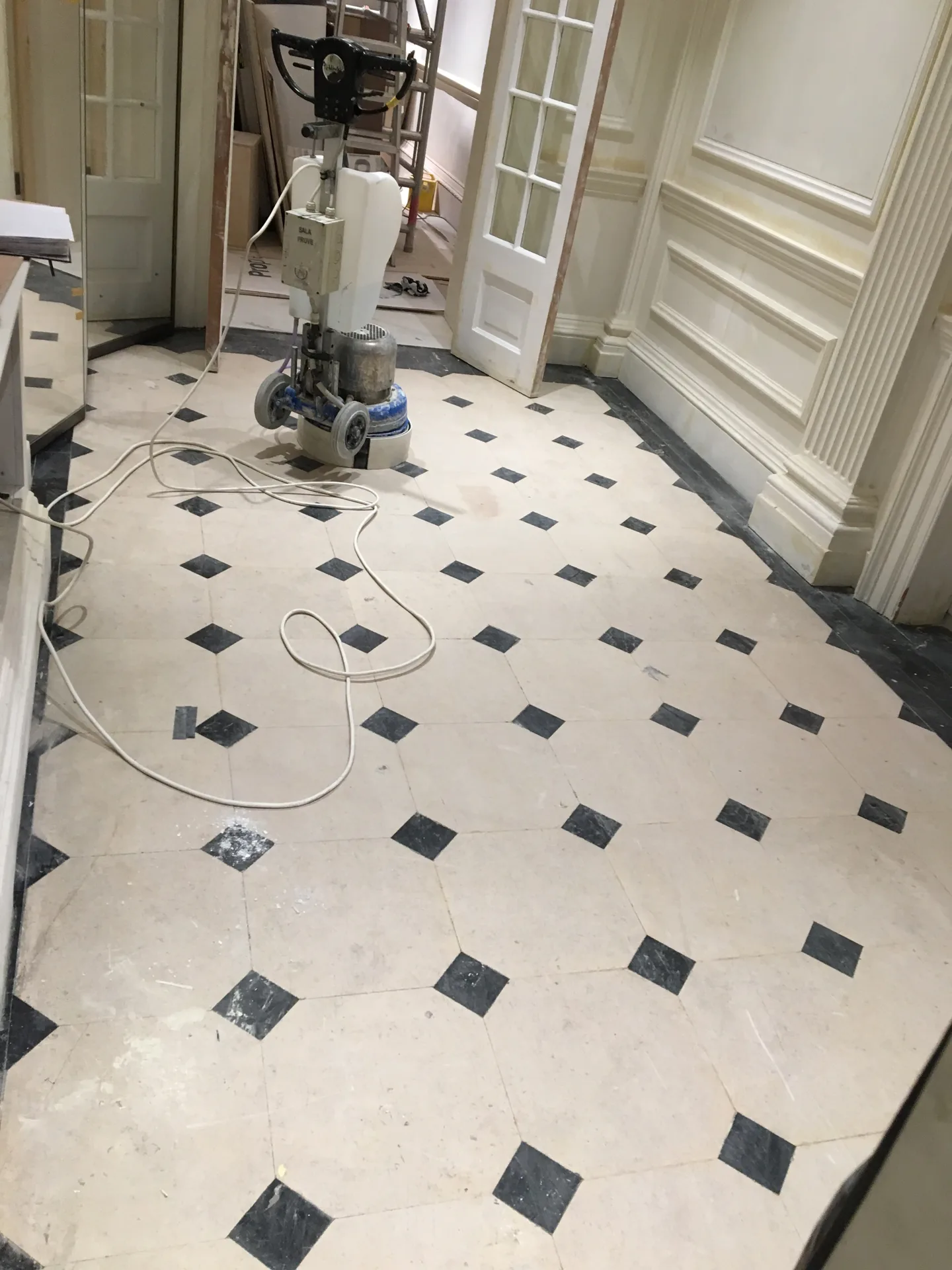
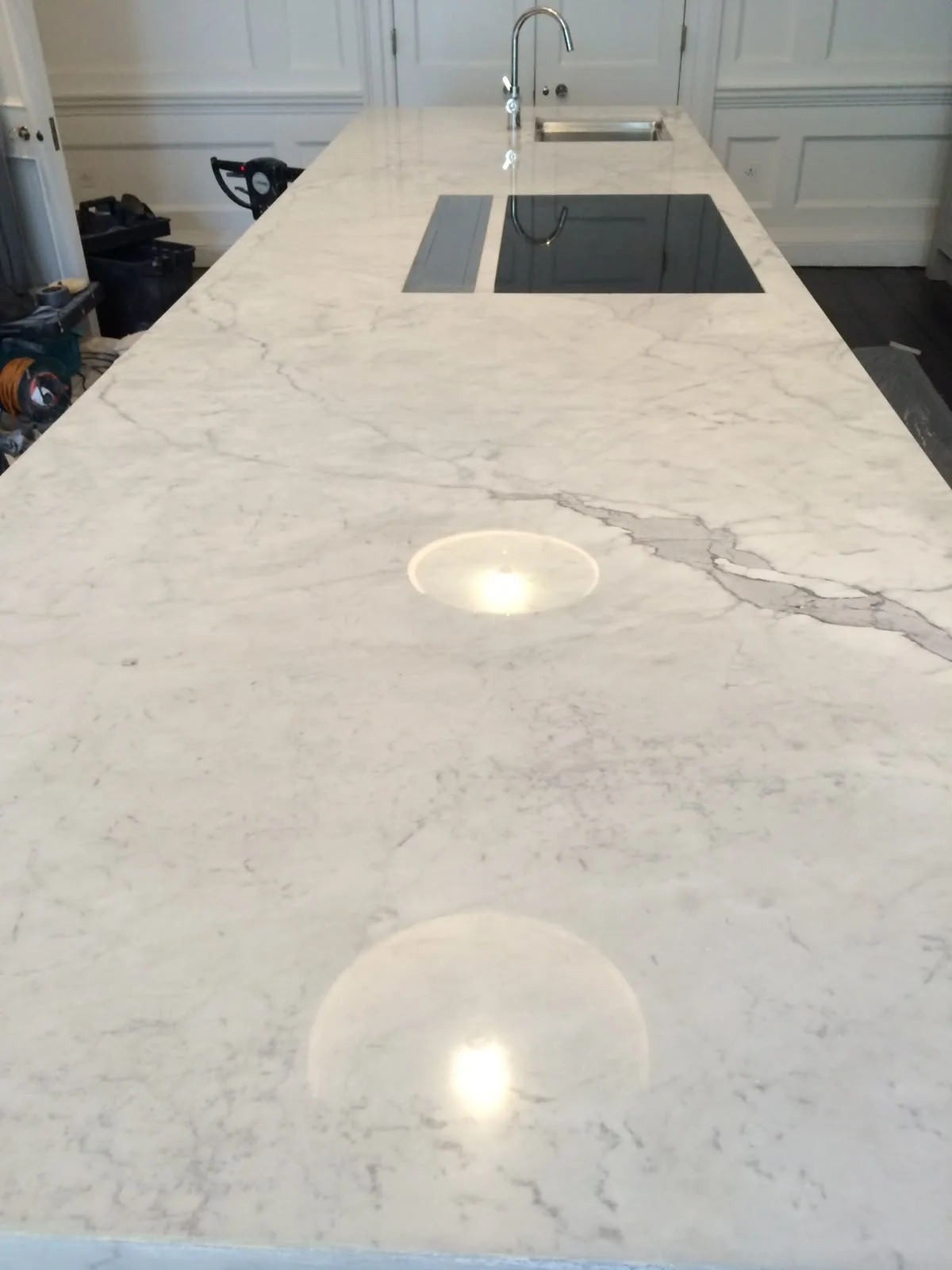
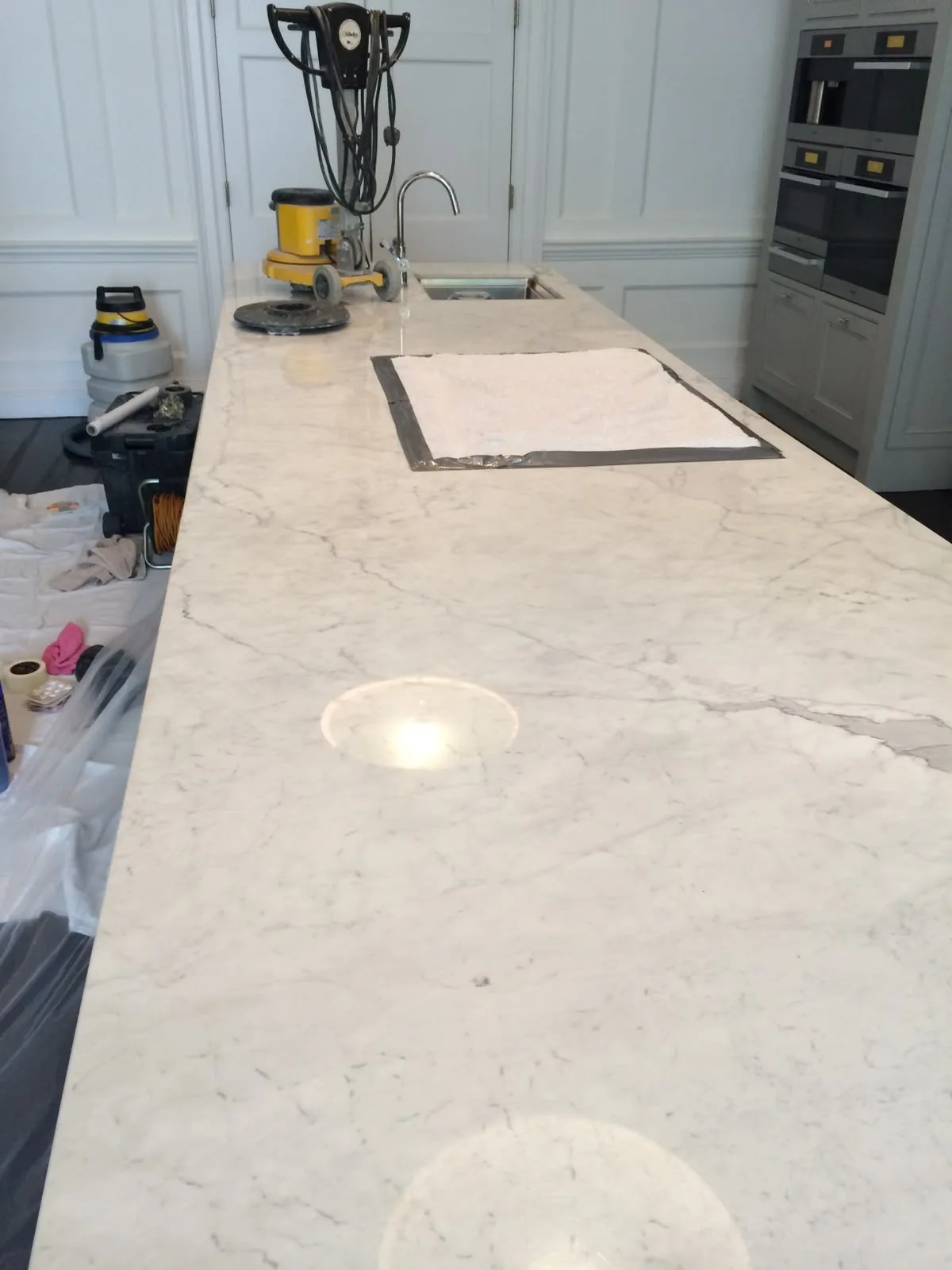
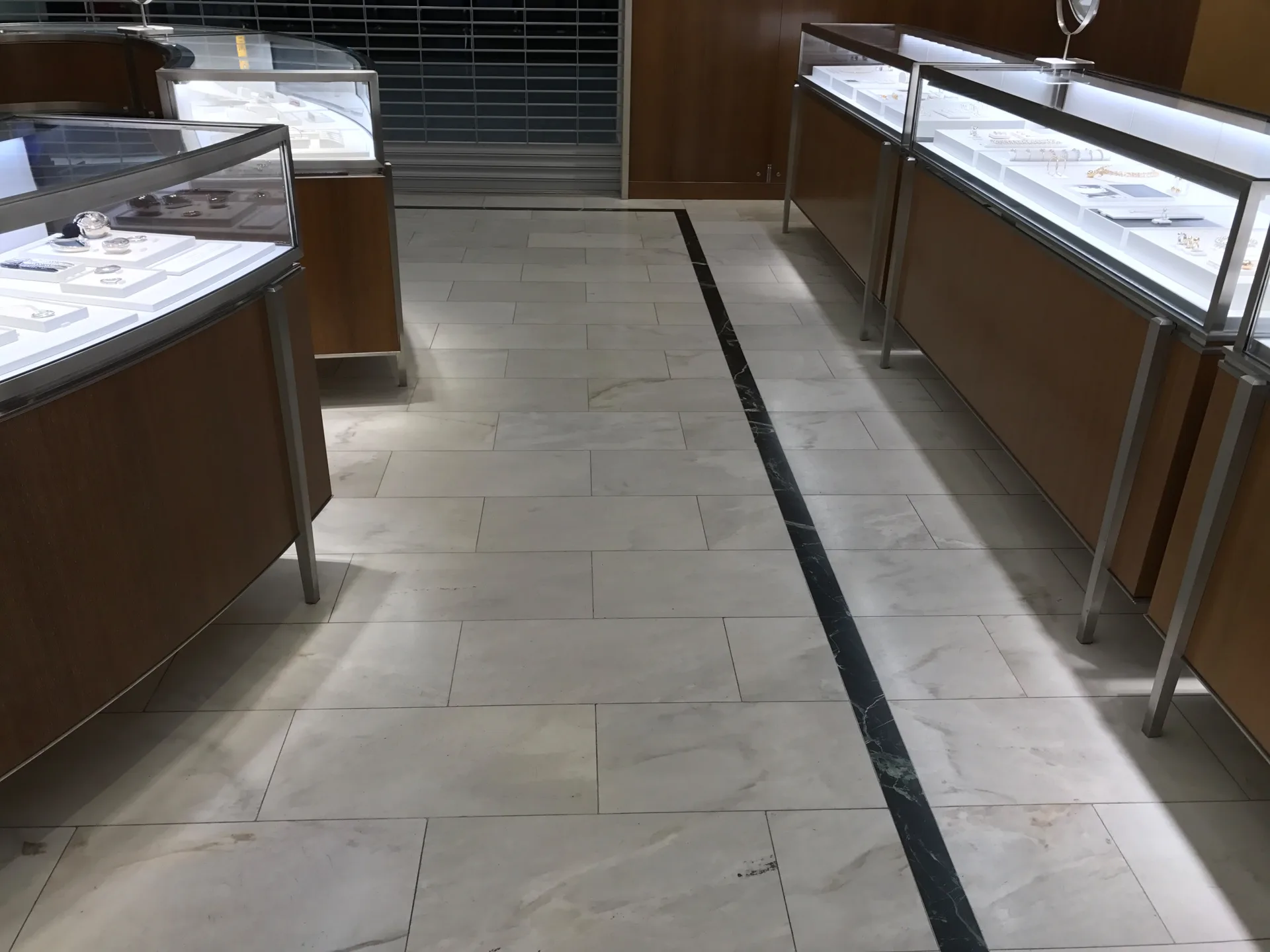
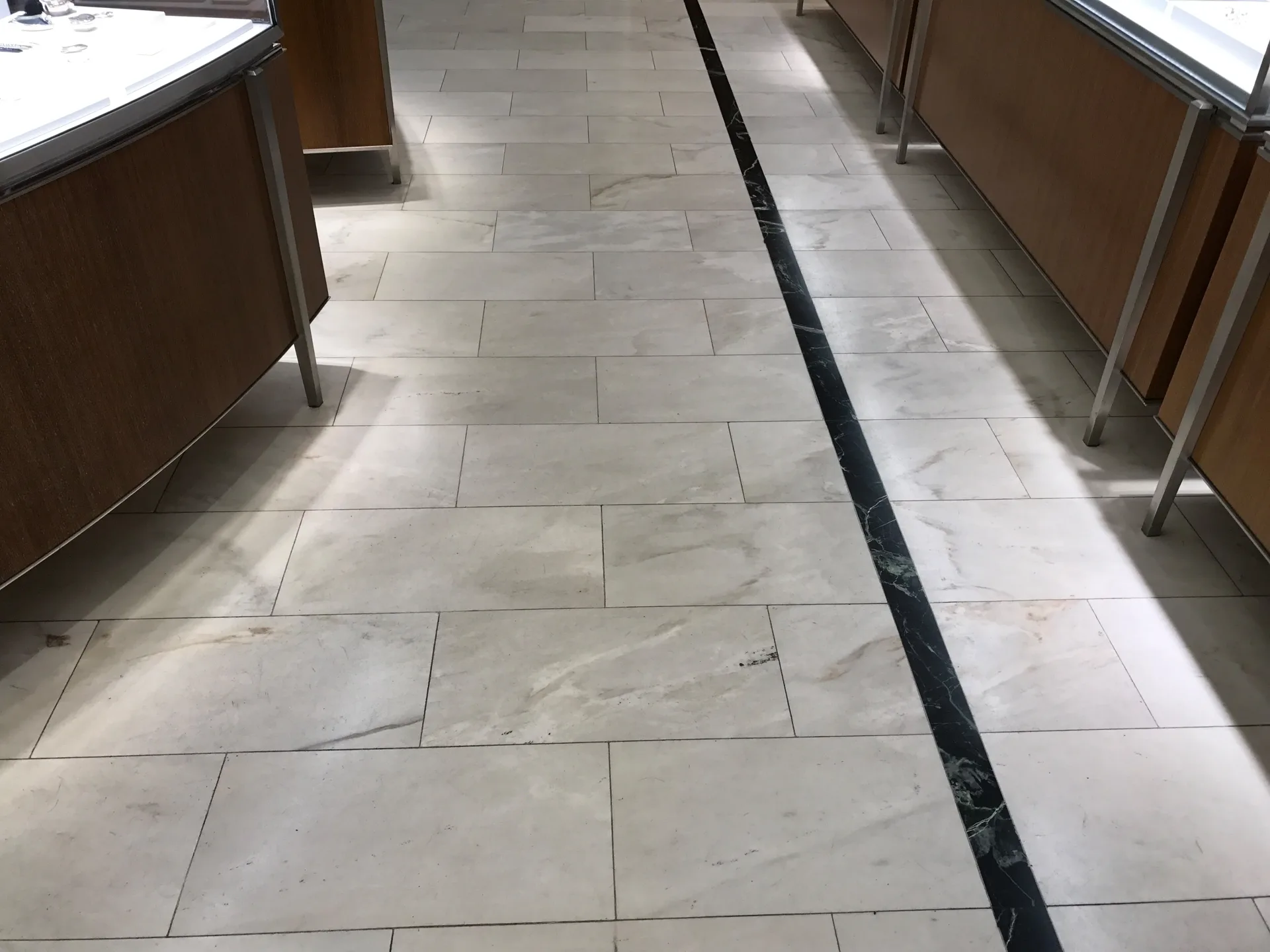
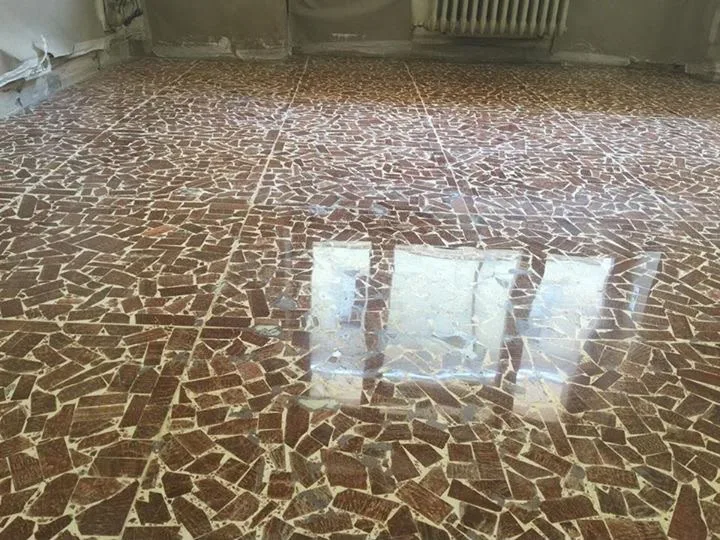
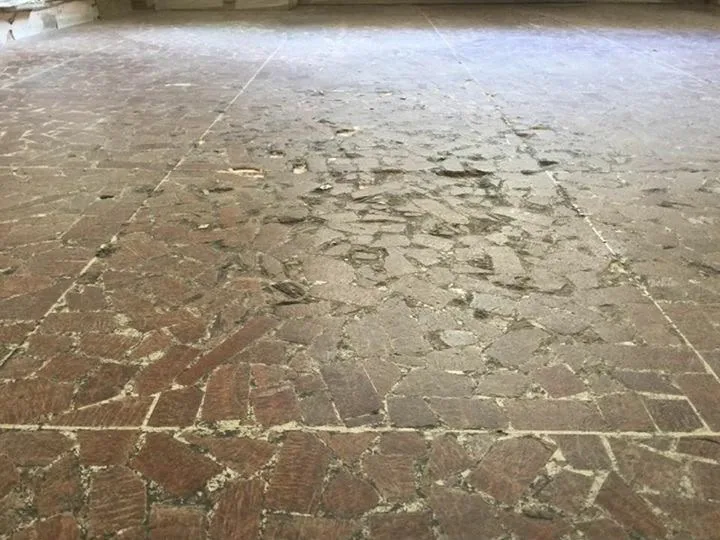
Deep cleaning, honing and polishing bring the stone’s natural finish back to life.
FAQ
Marble is mostly calcite, a soft mineral that reacts with acids and is scratched by grit. Foot traffic wears fine scratches into the surface, while lemon juice, wine and acidic cleaners dissolve it and leave dull etch marks. The result is traffic lanes and patches that no cleaning product will lift.
Yes. Etching is surface damage, so it is removed by honing the affected layer away and re-polishing the stone. Deeper etching may need a coarser diamond first, but the marble itself is restored rather than covered up.
We survey the floor and agree the finish on a test patch, mask skirting and joinery, then work through progressively finer diamond pads: grinding if there is lippage or deep damage, honing to remove etching, and polishing to bring back clarity. An impregnating sealer finishes the job.
A typical hallway, kitchen or bathroom usually takes one to three days, depending on condition and the finish you want. Larger floors or those needing full grinding take longer, and we give you a timeframe with the quote. The floor can be walked on once dry, and the sealer cures within about 24 hours.
Loose furniture needs to be cleared from the area; we can help with lighter pieces and work around fitted units. We use wet, low-dust methods, collect the slurry as we go and protect adjacent floors and walls, so the rest of the house stays clean.
Wipe spills promptly, use a pH-neutral stone cleaner and put felt pads under furniture; we leave you written care advice. Projects under 100 m² are priced per job; projects over 100 m² are priced per m², and you get a fixed written quote after a free assessment.
Where we offer marble restoration
Free quote
Share a few details and photos. We’ll come back with honest advice and a fixed price — no obligation.
Prefer to talk? +44 7385 775121
Services
From a single etched worktop to a hotel lobby, we restore, protect and repair natural stone and polished concrete.
Re-polish granite floors and worktops, remove haze and fill chips.
Learn more about granite restorationRe-fill holes, hone or polish and seal travertine floors.
Learn more about travertine restoration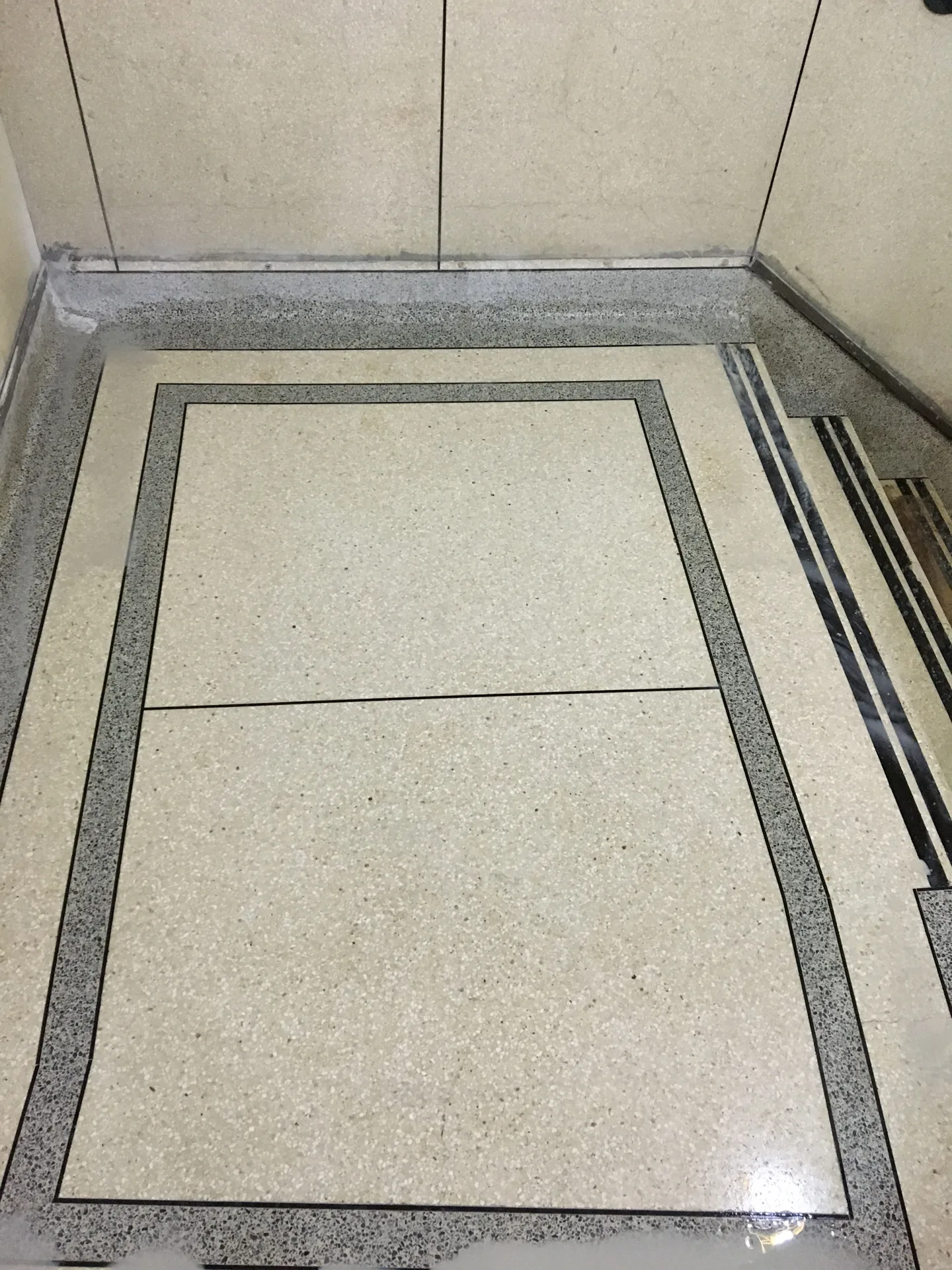
Grind, repair and polish original and modern terrazzo.
Learn more about terrazzo restoration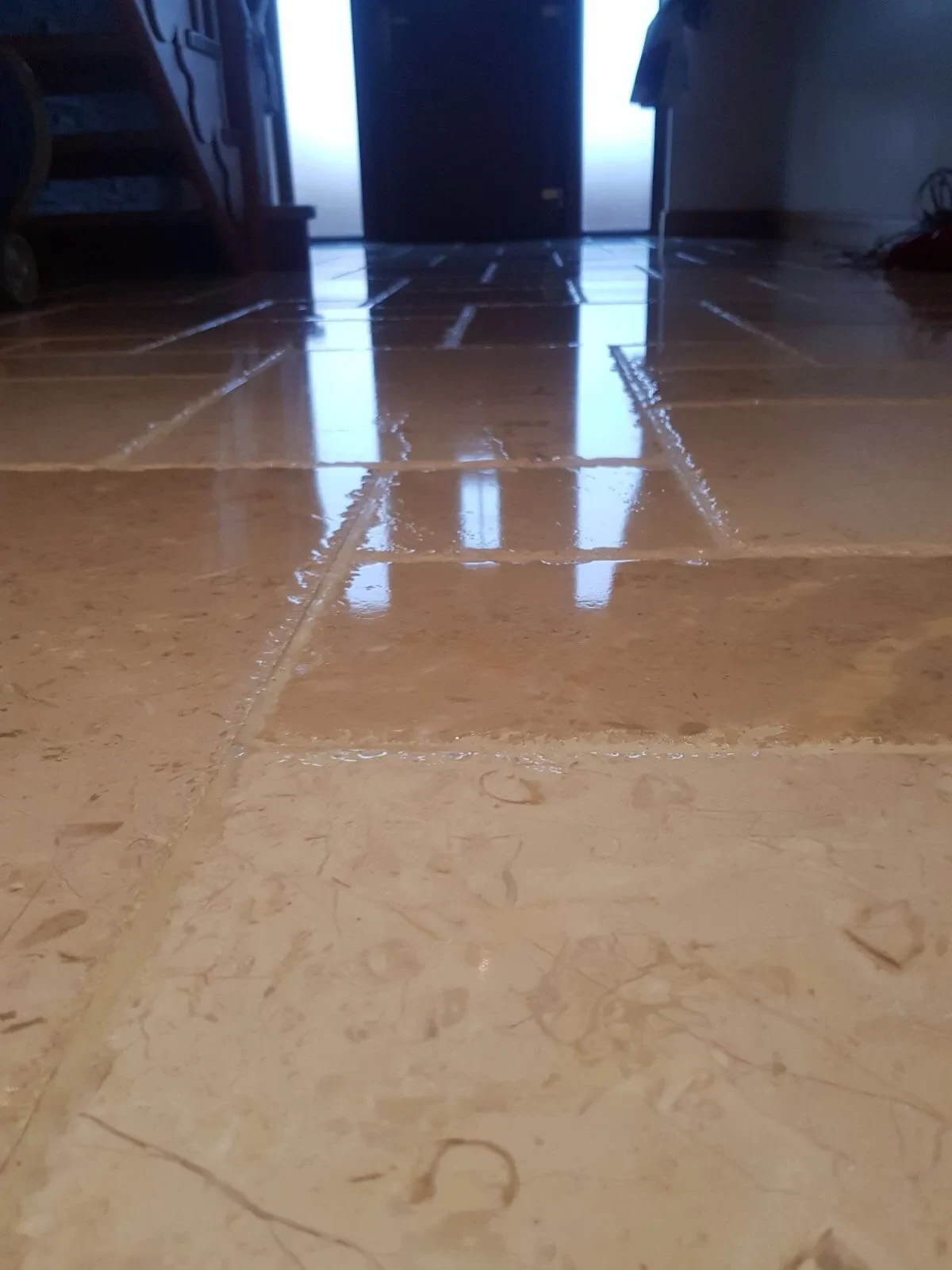
Clean, hone and protect limestone floors and stairs.
Learn more about limestone restorationStrip old sealers, clean and re-seal slate floors.
Learn more about slate restoration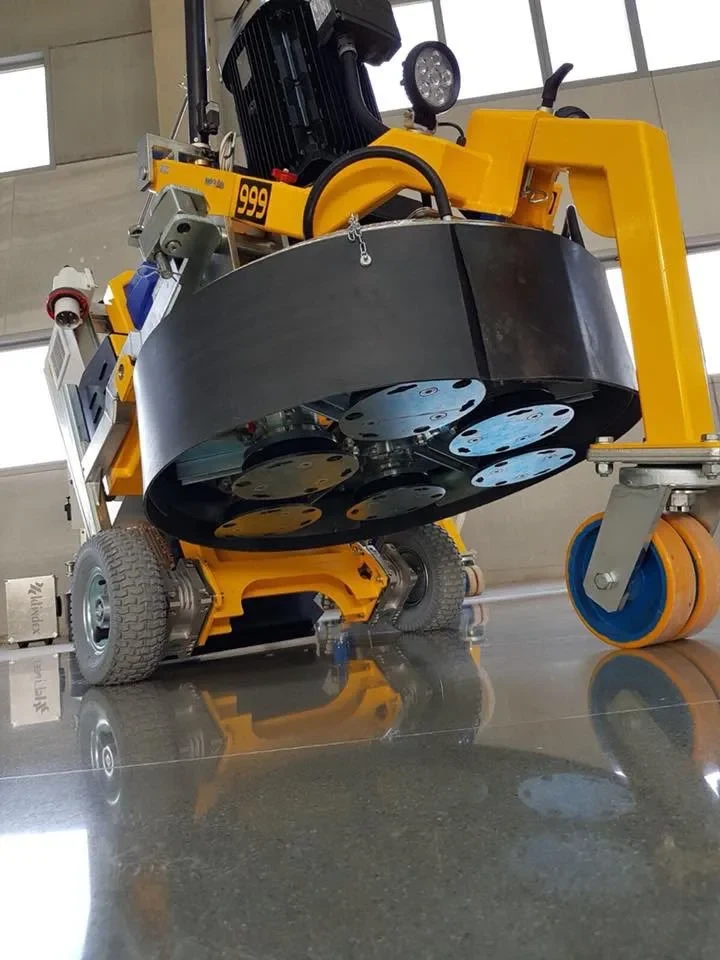
Mechanically polished concrete for homes, offices and retail.
Learn more about concrete grinding & polishing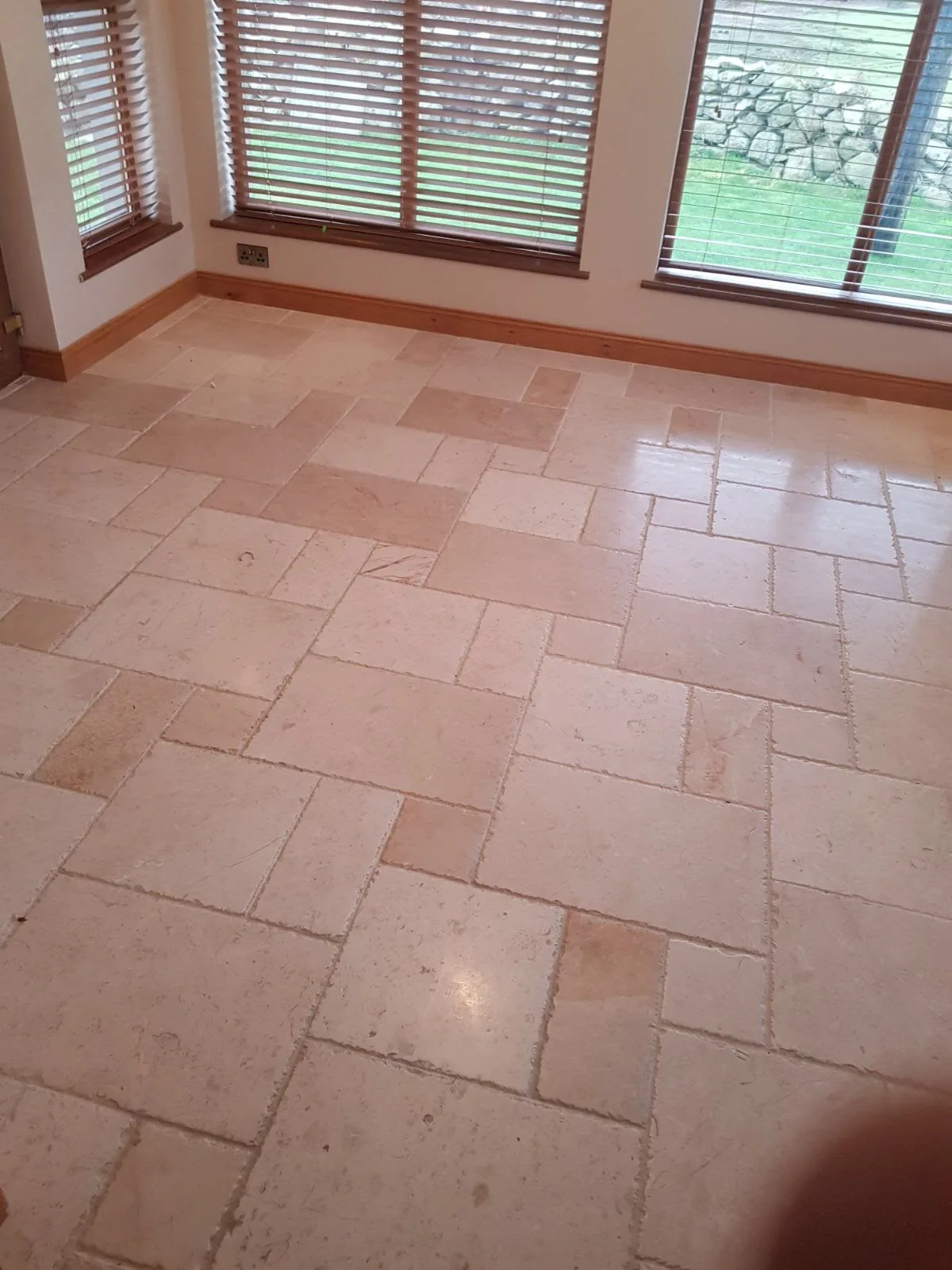
Deep cleaning and anti-stain protection for all natural stone.
Learn more about stone cleaning & sealing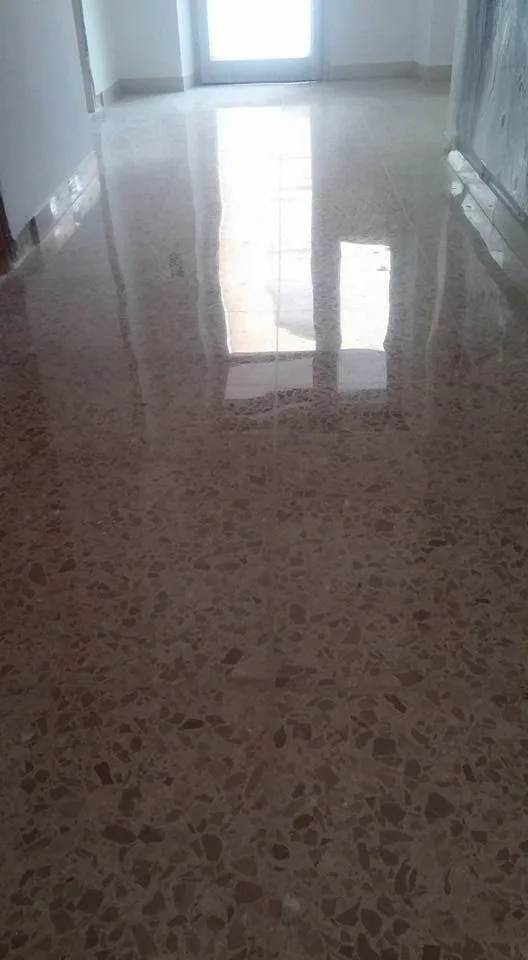
Poured, seamless terrazzo floors designed and installed.
Learn more about seamless terrazzo installation